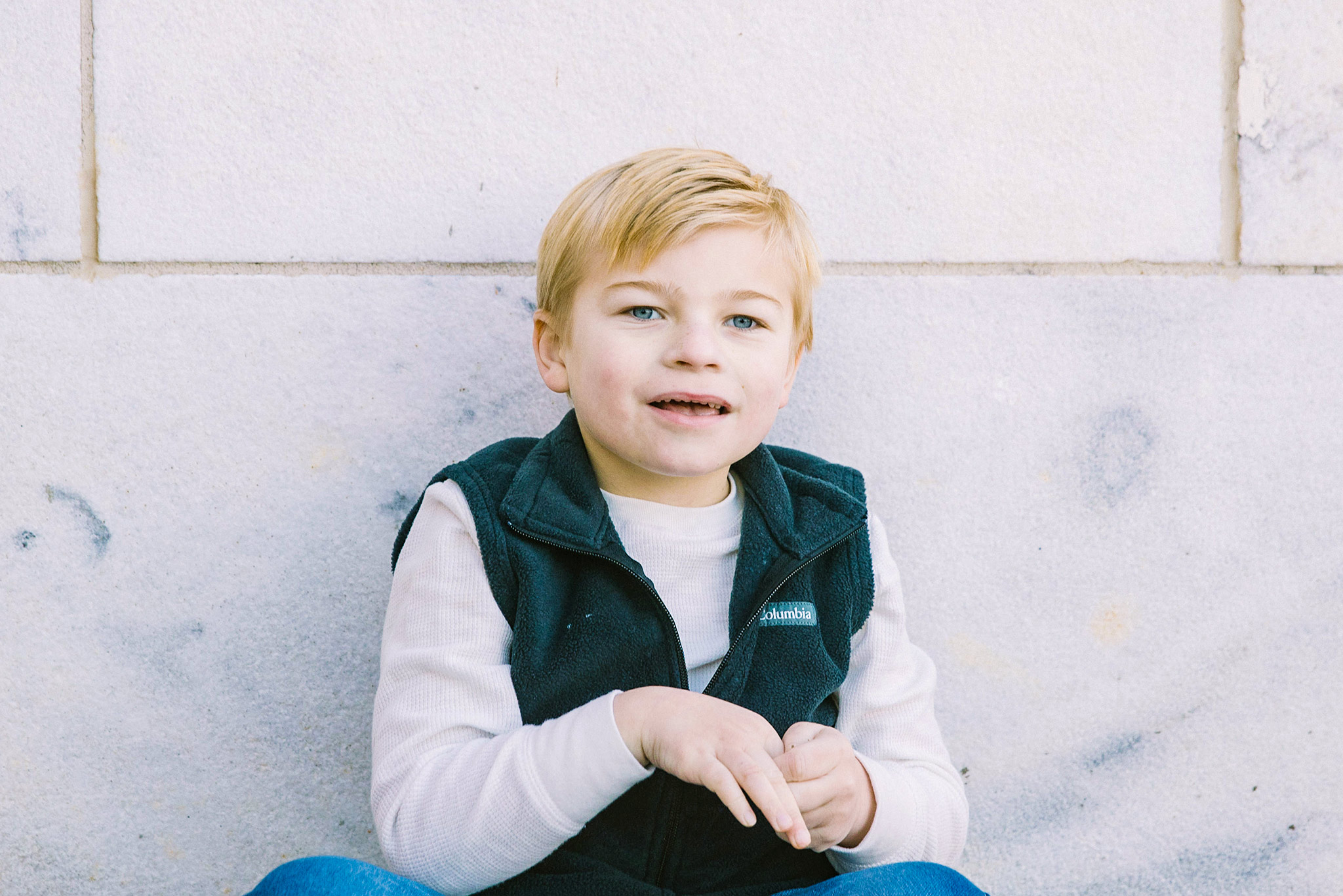
It is ironic that "happy" is a symptom of Angelman Syndrome, a rare neurogenetic disorder that causes global developmental delays, lack of speech, and seizures.
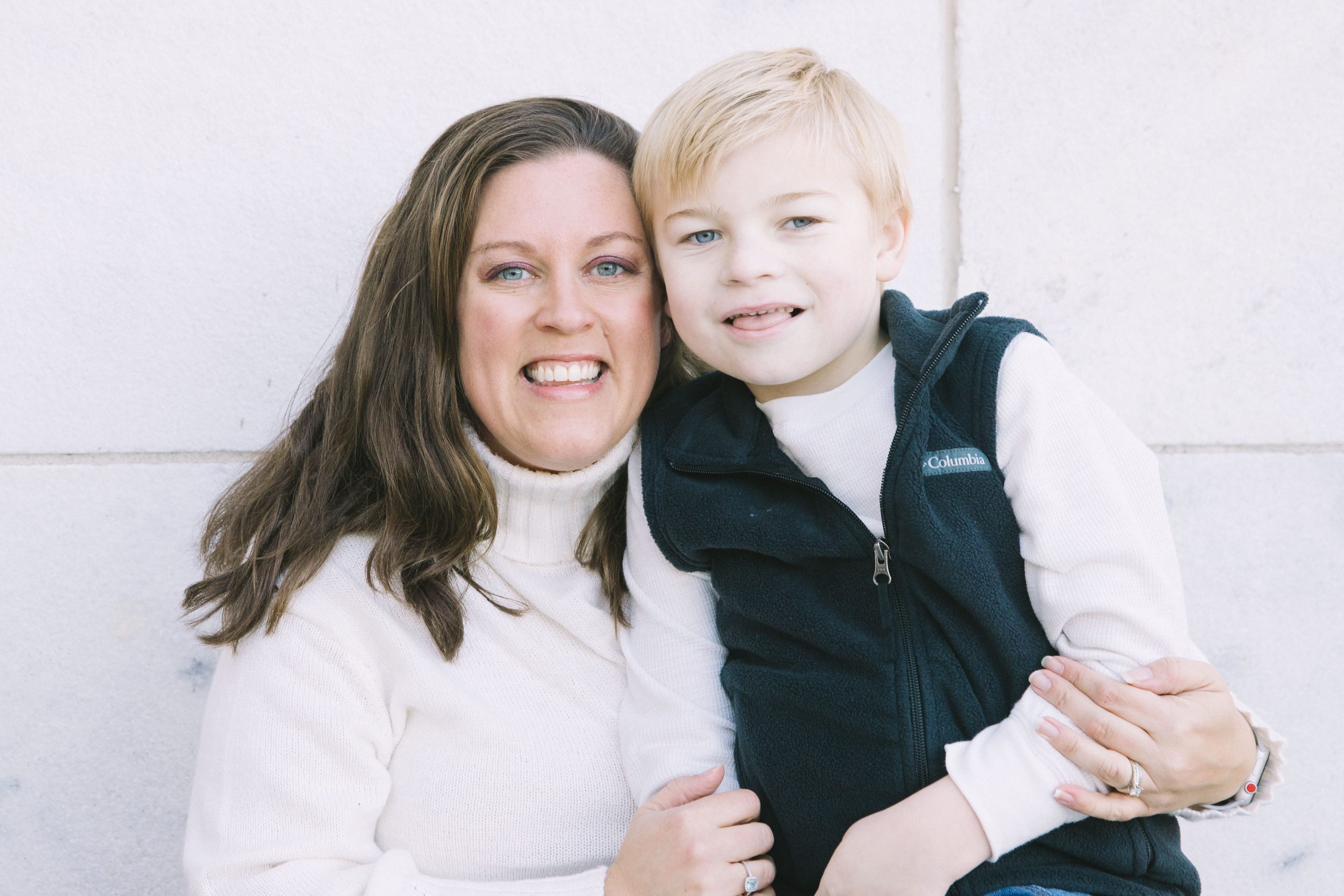
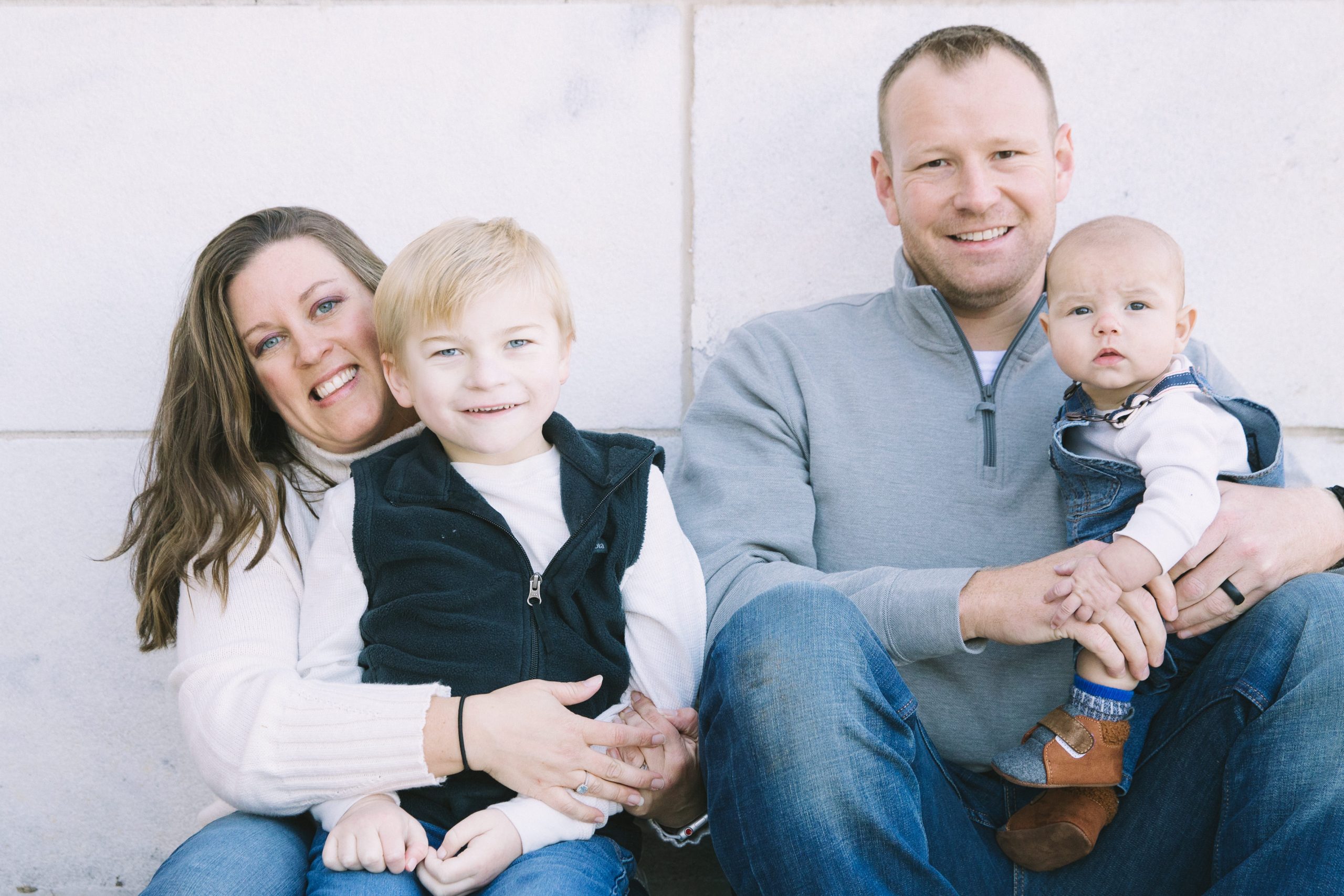
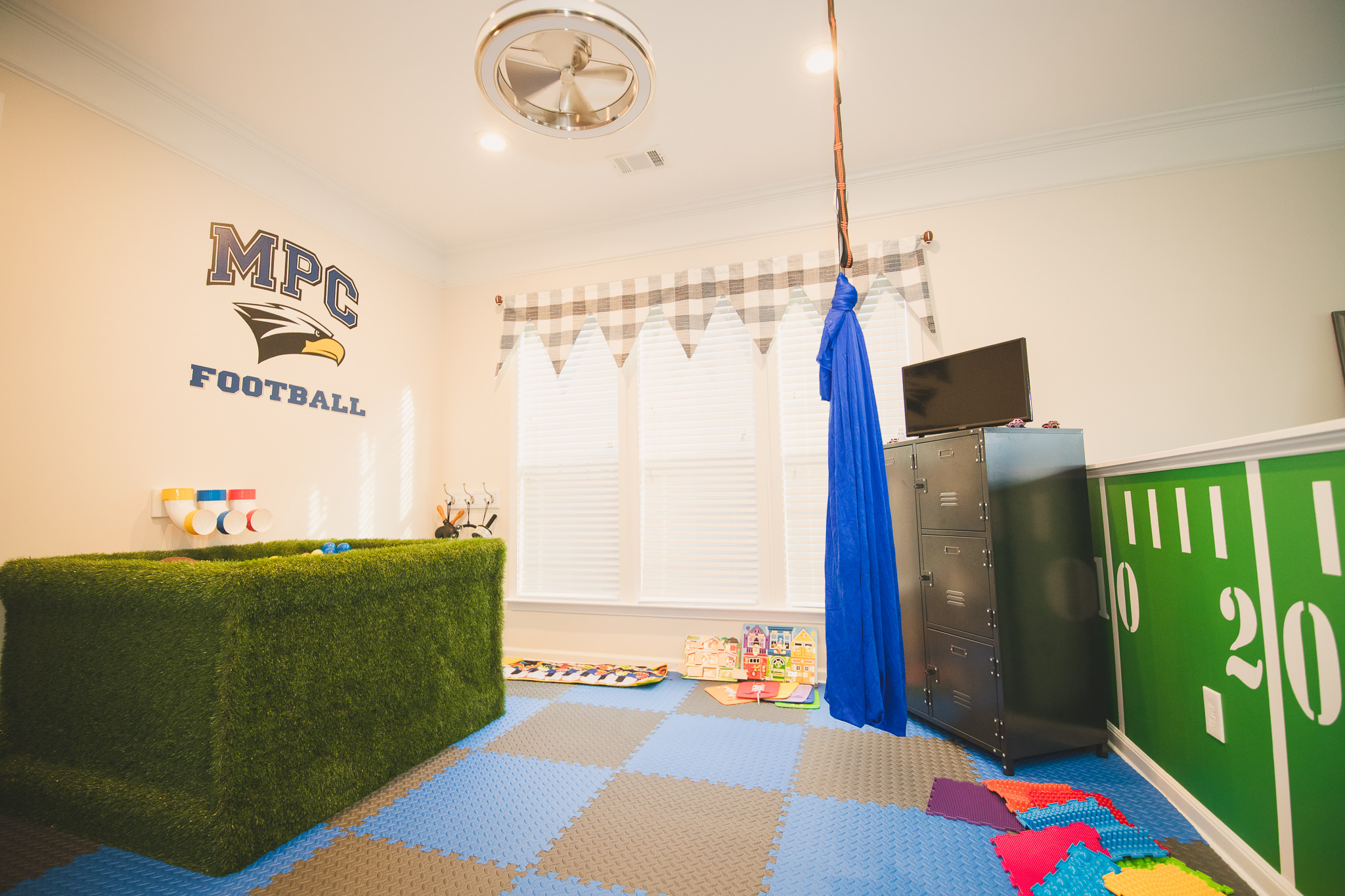
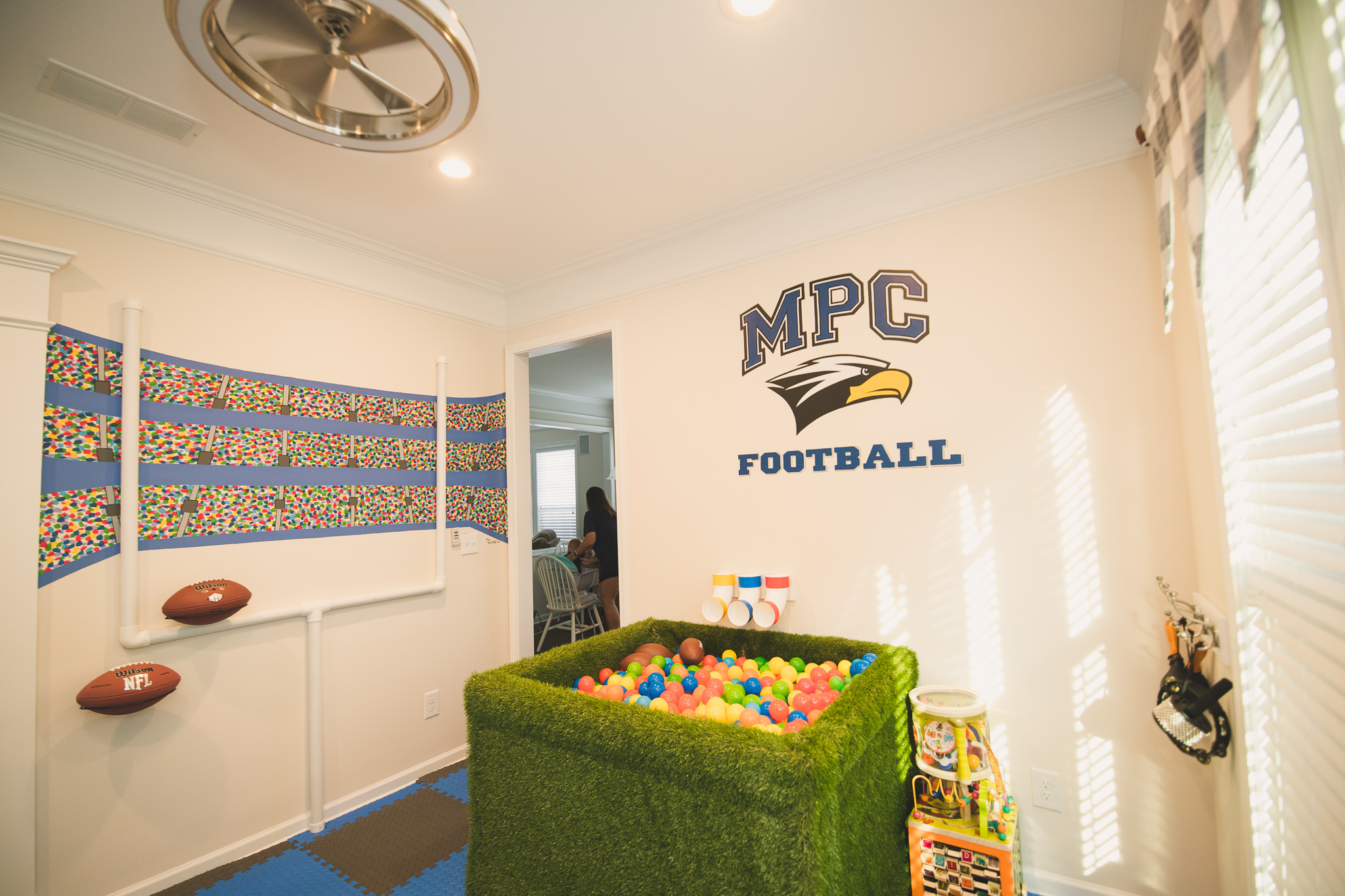
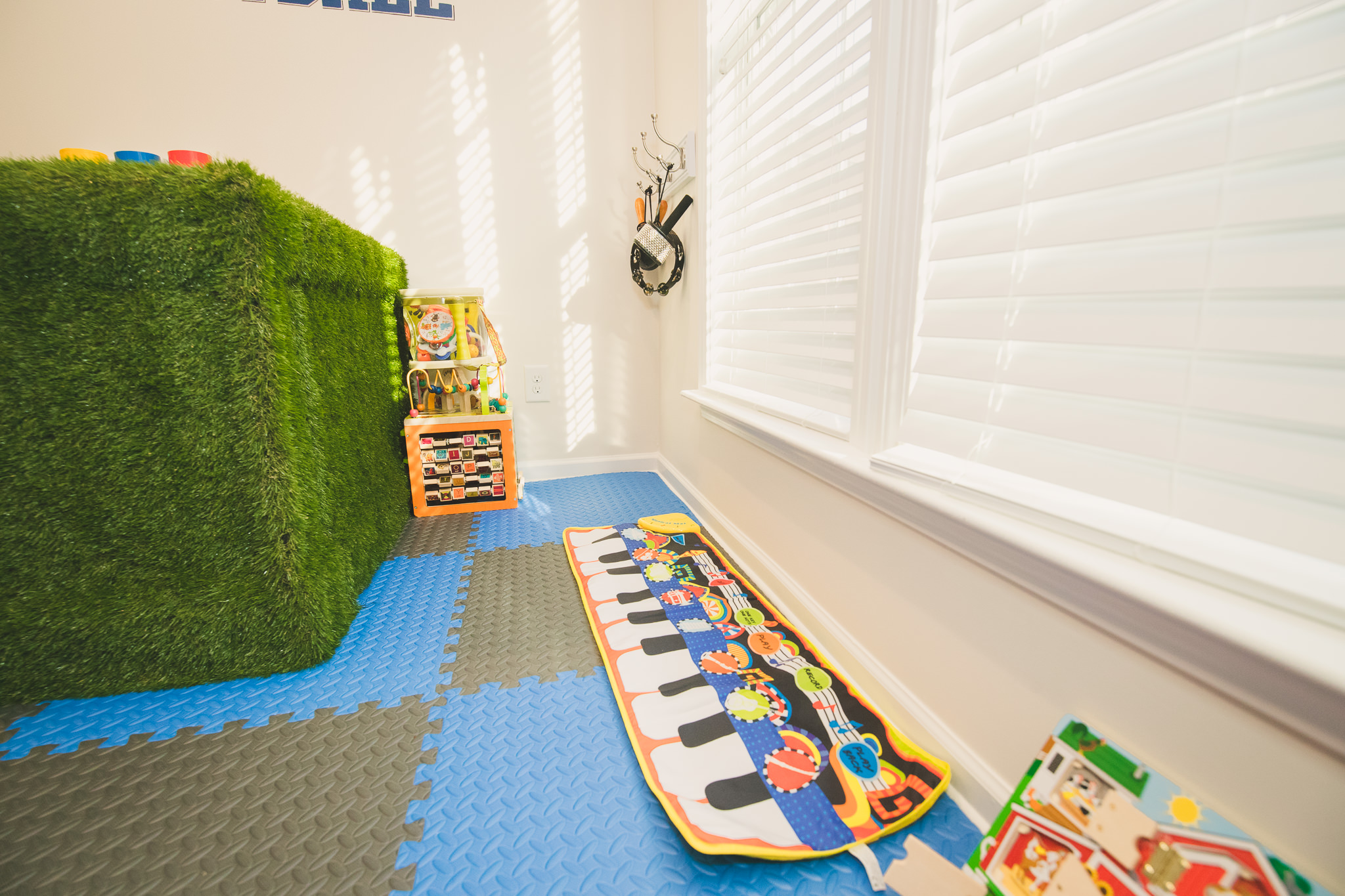
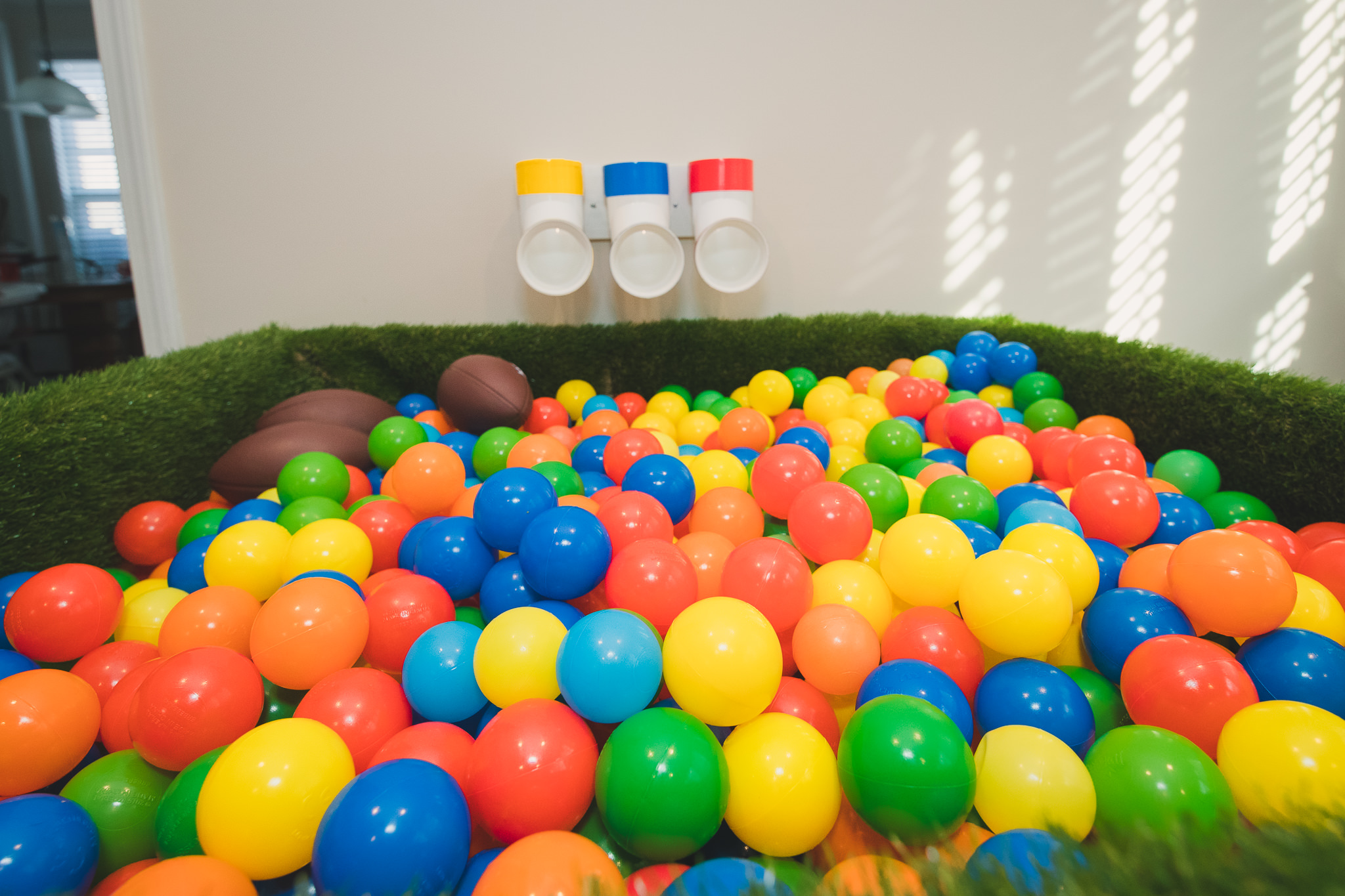
Stetson's mom stopped working outside the home to care for him. They have spent the last four years traveling to specialists all over the east coast and even participating in brain studies to help learn more about this rare disease. Stetson participates in speech therapy twice a week, hippo-therapy, and swim lessons as well as going to kindergarten, where he also receives additional PT, OT, and speech therapy. Children with AS tend to be very sensory seeking and have an oral fixation, but overall, they are happy kids. Stetson loves to wander, climb, and play with whatever he can get his hands on. He can be very impulsive and is not always safe while exploring. He has to be watched non-stop, even in his own home, to make sure he is safe. With the increasing demands of a new baby brother, a sensory/therapy room will allow Stetson to explore and play safely while attention is shared between two children. It will also provide him with the opportunity to improve his motor skills at home while playing and offer some of the independence six-year-old boys crave, things that are important for his development. Stetson's parents will have peace of mind knowing he is both safe and getting the proper stimulation. The past five years have been replete with travel, testing, and treatment. With an in-home sensory/therapy room, Stetson's whole family will benefit from more routine day-to-day life at home.
It is ironic that "happy" is a symptom of Angelman Syndrome, a rare neurogenetic disorder that causes global developmental delays, lack of speech, and seizures.
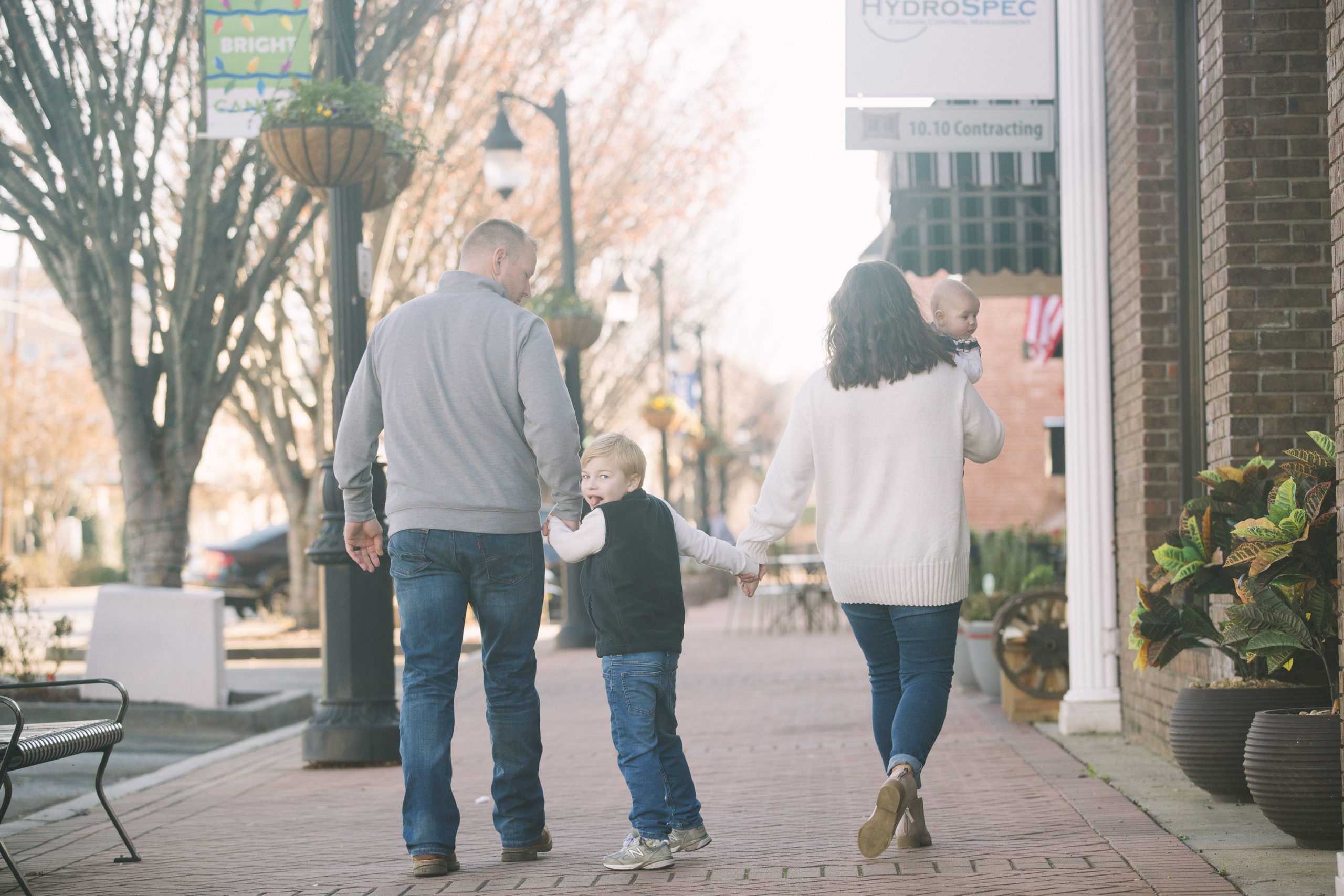
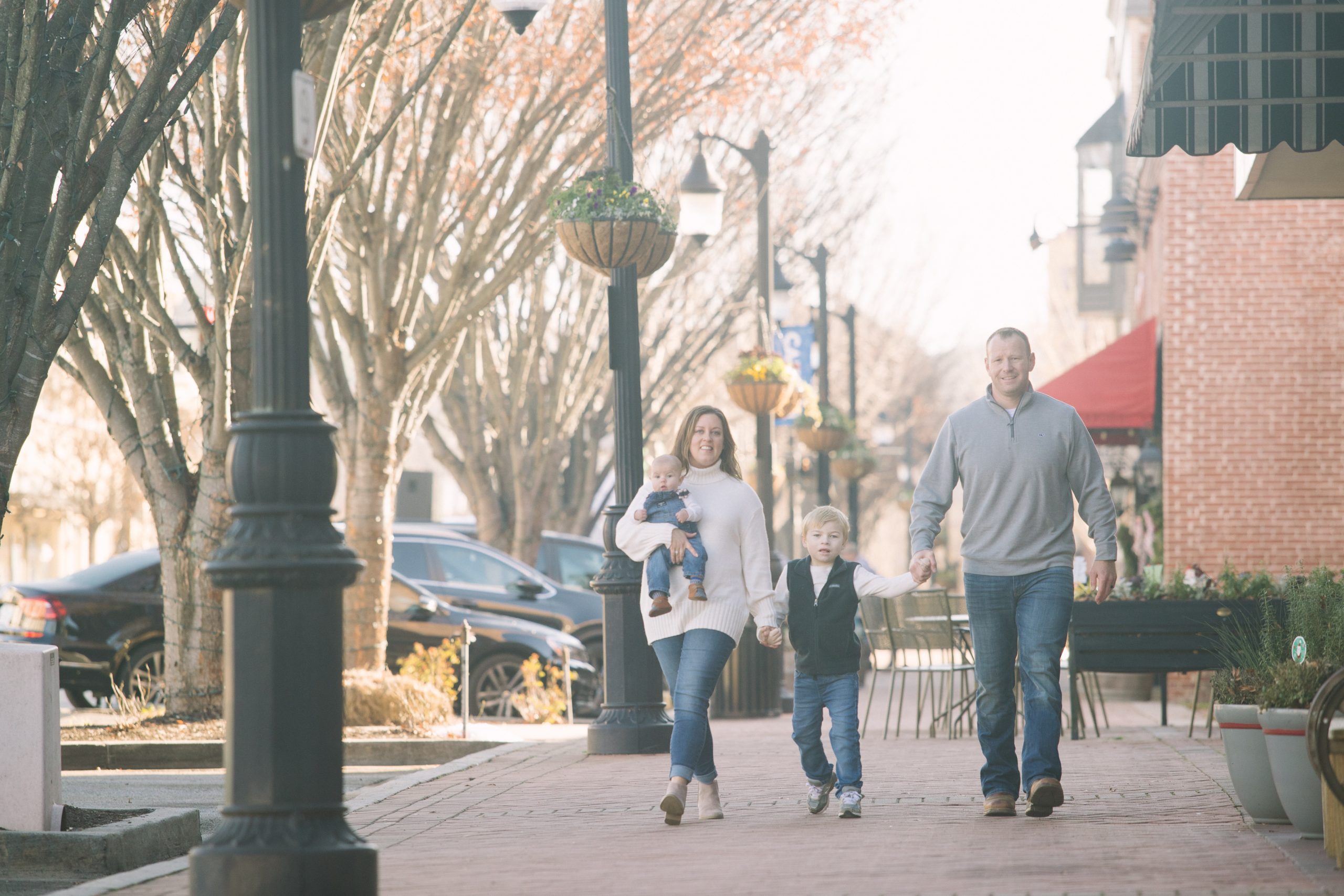
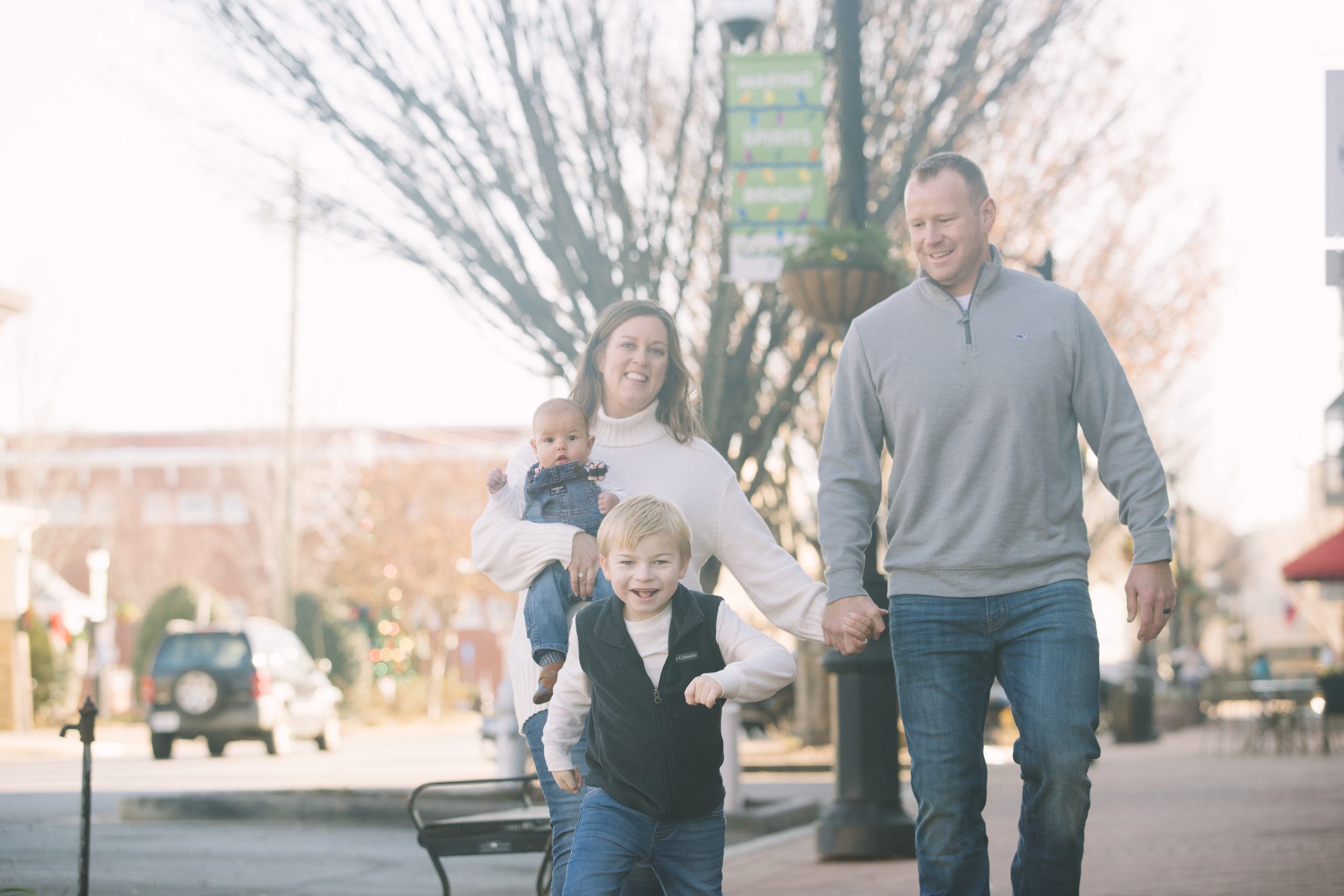
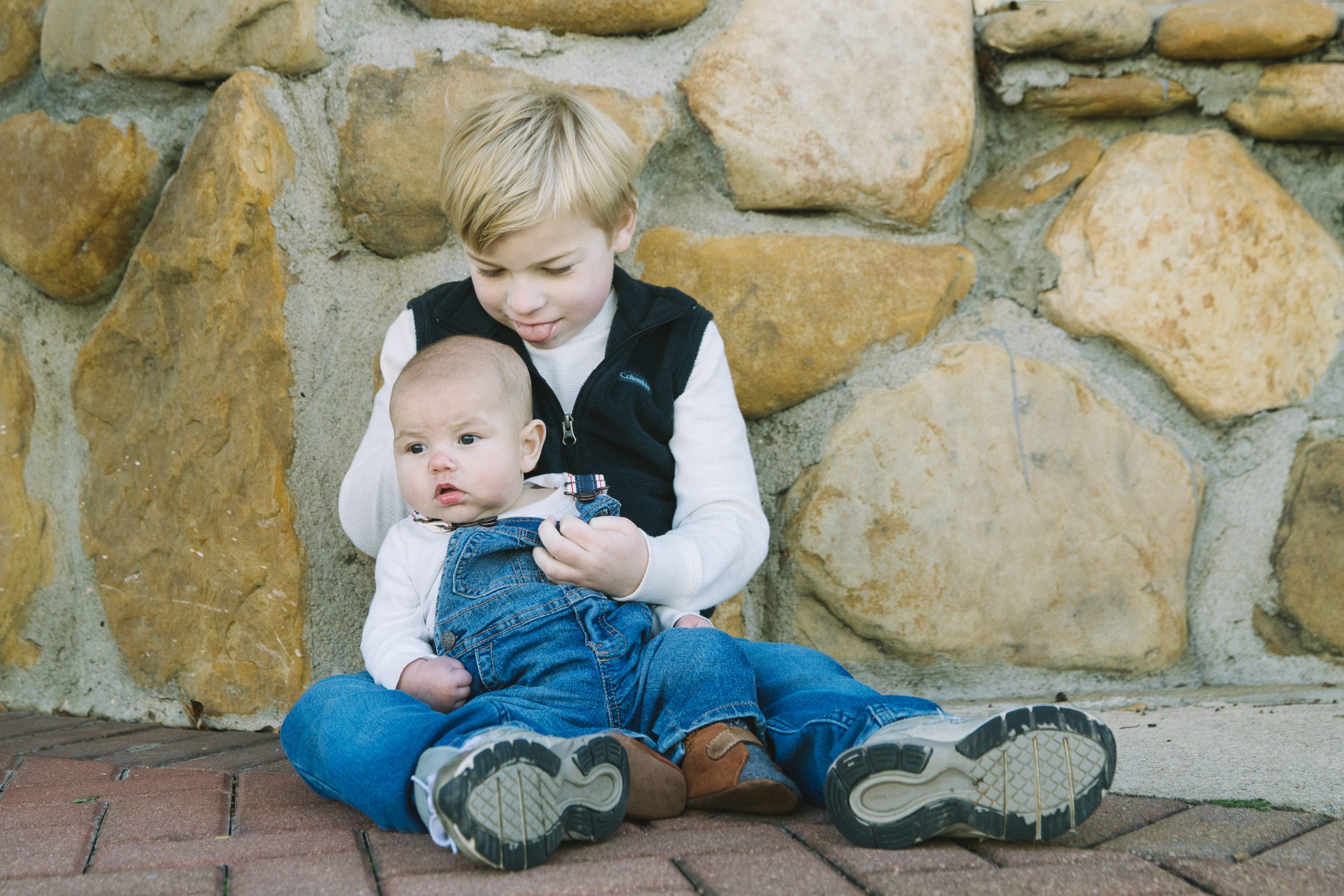
Photos by Pear Tree Photography



Watch Stetson's Story
Project Partners